

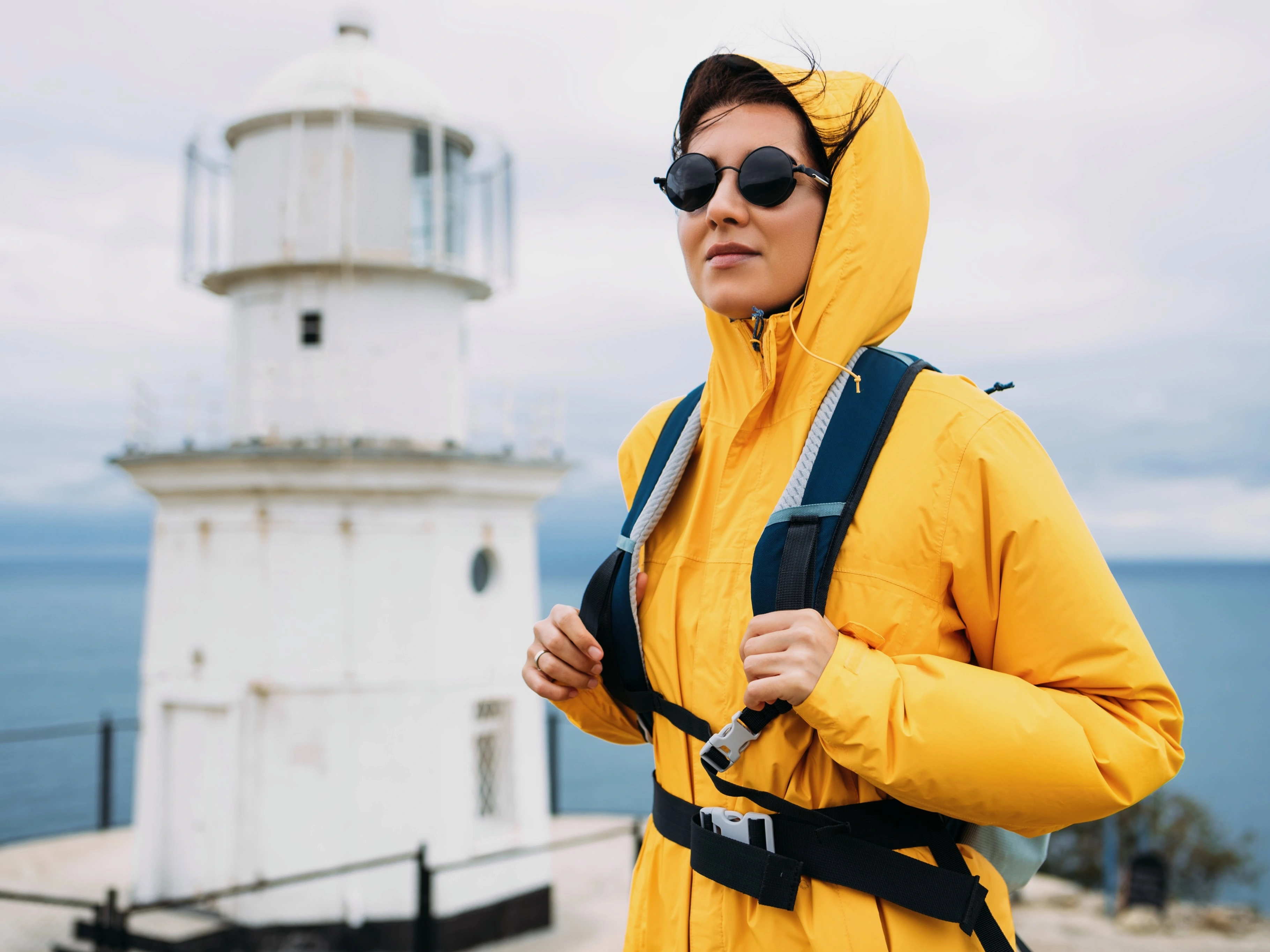
Never before have so many people been traveling solo! Singletons of all ages and stages in life: never married, divorced, widowed, work-from-anywhere digital nomads, retirees with time to explore, and even people in relationships whose partners don't share their wanderlust.
More and more people are deciding not to wait to be paired up, or until a friend can be a travel companion, to embark on their dream journeys.
They're making plans to travel NOW.
Does that sound like you? If so, you're part of one of the biggest trends in travel. And the great news is that the world has never been more accessible to solo travelers.
With growing global recognition of November 11 – or 11/11- as ‘Singles’ Day,’ it seems a good time for my top tips for multiplying the benefits of a trip for one.

One of the great pleasures of solo travel is having the freedom to do exactly what you want, when you want.
Want to spend an entire afternoon in a museum or hiking the local peak? Go ahead! Prefer a cooking class to a walking tour? The choice is yours.
But even the most independent traveler may enjoy some company along the way.
That's where organized travel really shines.
Group or escorted tours provide not only the reassurance of traveling with others but also expert local guides who know the lay of the land. They can recommend where to eat, what to explore during free time, and experiences you might never discover on your own.
And you have built-in travel companions to share the day's adventures over dinner.
If the idea of a large group intimidates you, take heart! Tour groups can range from a full coach of 40 travelers to intimate adventures with just six or eight participants.
Cruises are another terrific option, with solo traveler meetups, shared excursions, activities and opportunities to socialize – or simply enjoy your own company.
If you like the idea of staying in one place for a while, some hotels provide long-term stay amenities including kitchenettes, social hubs, coffee shops, and lounge and dining facilities that allow solo travelers maximum flexibility to work, play, dine, or socialize when and how you choose.
Women make up the majority of solo travelers in many industry surveys, particularly among travelers over 45. But solo travel is also growing among younger Millennials and Gen Z travelers seeking independence and adventure, digital nomads combining work and exploration, and older travelers embracing their freedom to see the world.
Whatever your age or stage of life, safety is often the first consideration.
Let's face it – everyone's daily commute has risks. But the idea of traveling alone in an unfamiliar location makes many otherwise confident people newly thoughtful about their personal safety.
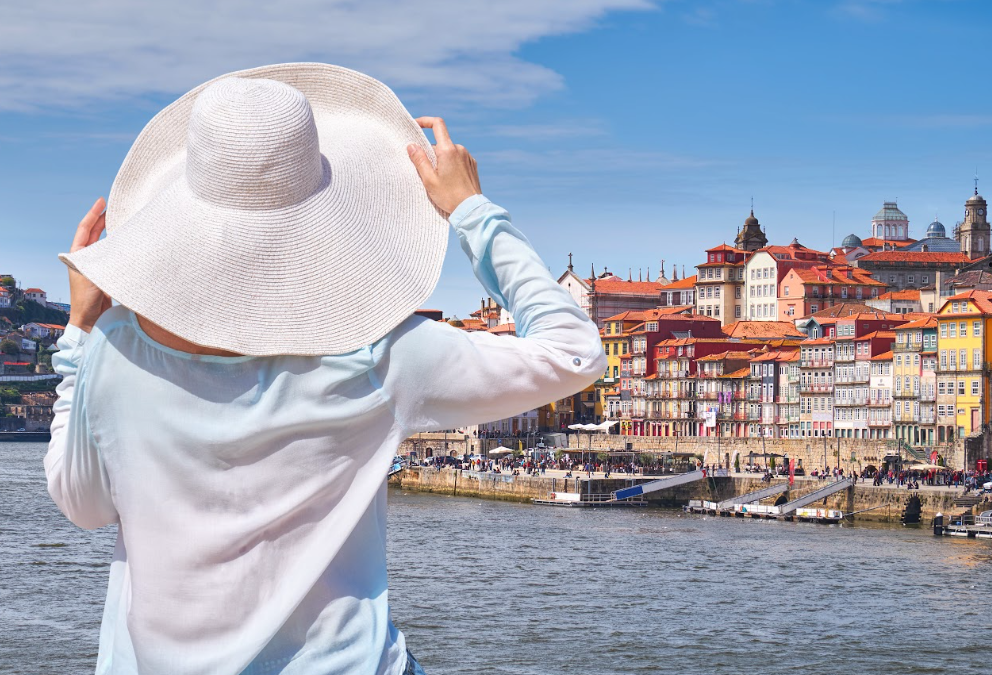
Travel prices are often based on "double occupancy." That is, two people sharing a room or cruise ship stateroom. And that can put solo travelers at a financial disadvantage. Without someone to share with, you can end up paying nearly double the advertised per-person price.
The good news? Travel companies are catching up with the solo travel revolution.
Some tour operators specialize in solo travelers, negotiating accommodations without the dreaded "single supplement." Others offer roommate-matching services for travelers willing to share to save money.
Cruise lines are also getting creative. Some ships offer dedicated solo accommodations, sometimes with exclusive solo lounges and hosts who facilitate socializing.
River cruise lines and tour operators frequently offer selected departures with reduced or waived single supplements. Some companies even organize departures specifically for solo travelers, including women-only adventures.
And remember: Solo travel isn't just for single people. It's for anyone who wants to explore the world on their own terms.
You may leave home on your own, but that doesn't mean you won't return with new friends, new confidence, and a whole new appreciation for the freedom of traveling solo.
START YOUR SOLO TRIP!
By Lynn Elmhirst, cruise and travel journalist and expert
Images: Getty
All rights reserved. You are welcome to share this material from this page, but it may not be copied, republished, broadcast, rewritten or redistributed.

China is home to two of the greatest engineering marvels in human history. The Great Wall and the Three Gorges Dam ar... learn more
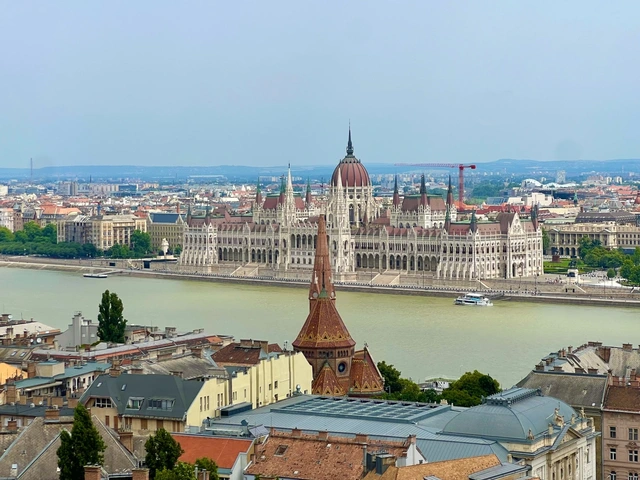
Some cities are defined by their architecture, their food, or their history. Hungary’s capital has all three. But one... learn more
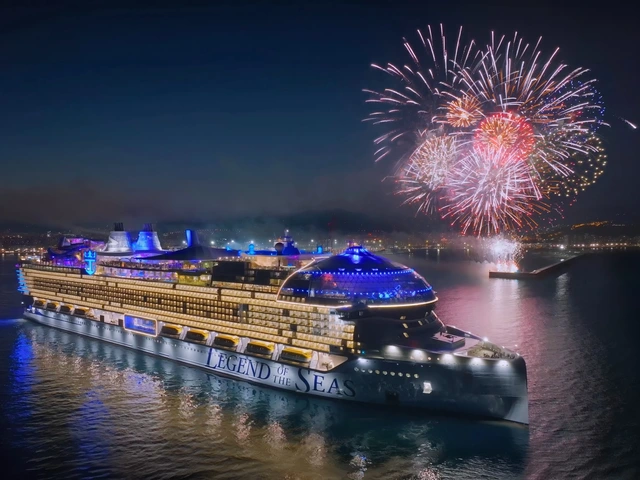
Royal Caribbean has a new Legend — and it's making history in more ways than one! The cruise line's newest sh... learn more

Family beach vacations in the Caribbean just got a whole new flavor! Dreams Resorts & Spas is expanding its colla... learn more